
Workplace Resilience Singapore Teams Need: 3 Lessons from GenWell's Tree of Life
Workplace resilience Singapore organisations need isn’t built through willpower alone – it’s built through structure. That idea sits at the center of GenWell’s own logo: the Tree of Life. The roots represent grounding, the branches represent growth, and the circle around it represents wholeness and cohesion. It’s a simple image, but it maps closely onto how resilience actually works in a team setting.
Workplace resilience refers to a team’s capacity to adapt to challenges, recover from setbacks, and keep functioning effectively under pressure – not just individual toughness, but a structural capacity that can be built deliberately. (Source: Workplace resilience, Wikipedia.) That’s the same principle GenWell’s frameworks are built around.
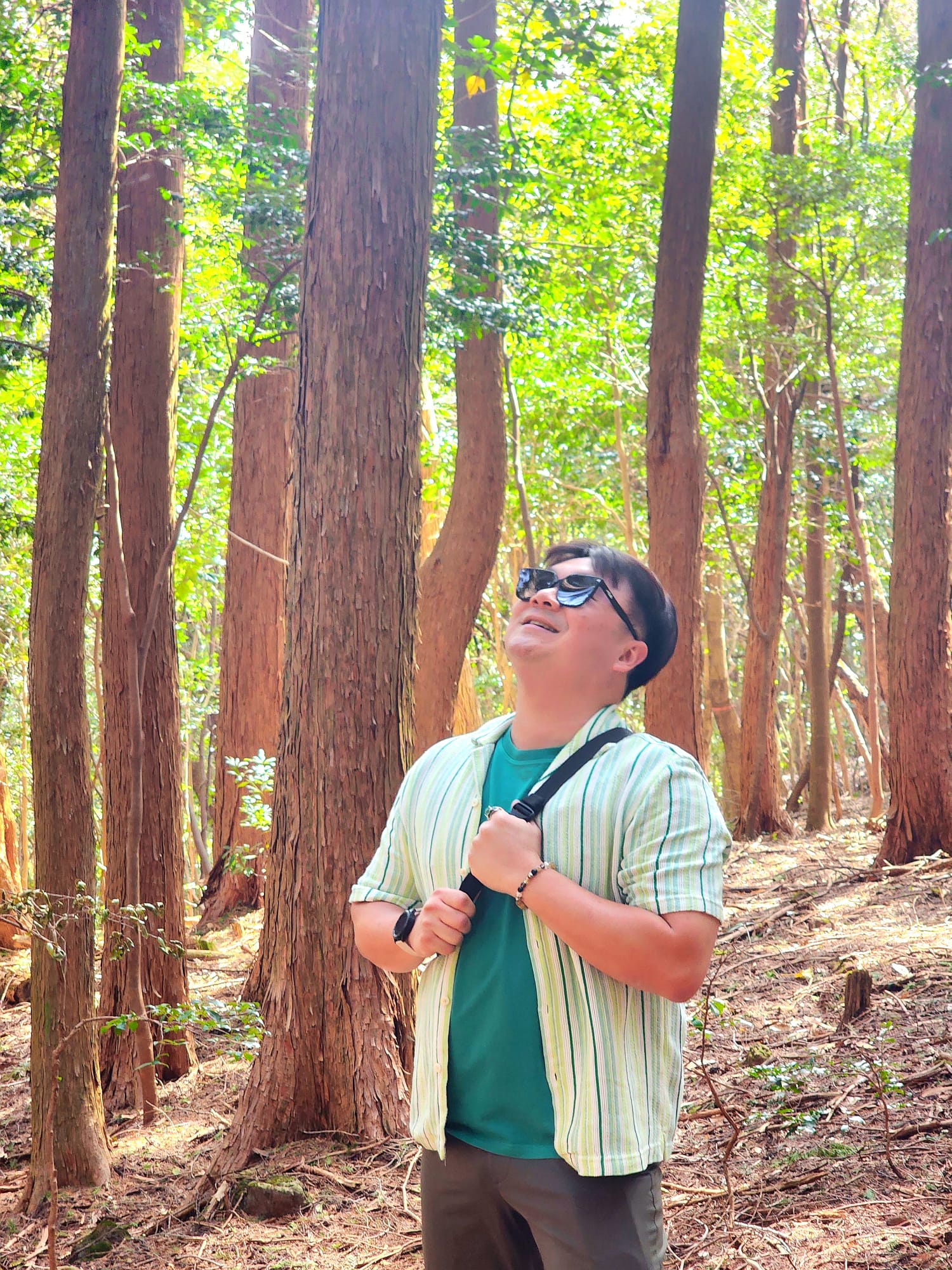
Ah Mu the Tree: A Symbol of Resilience
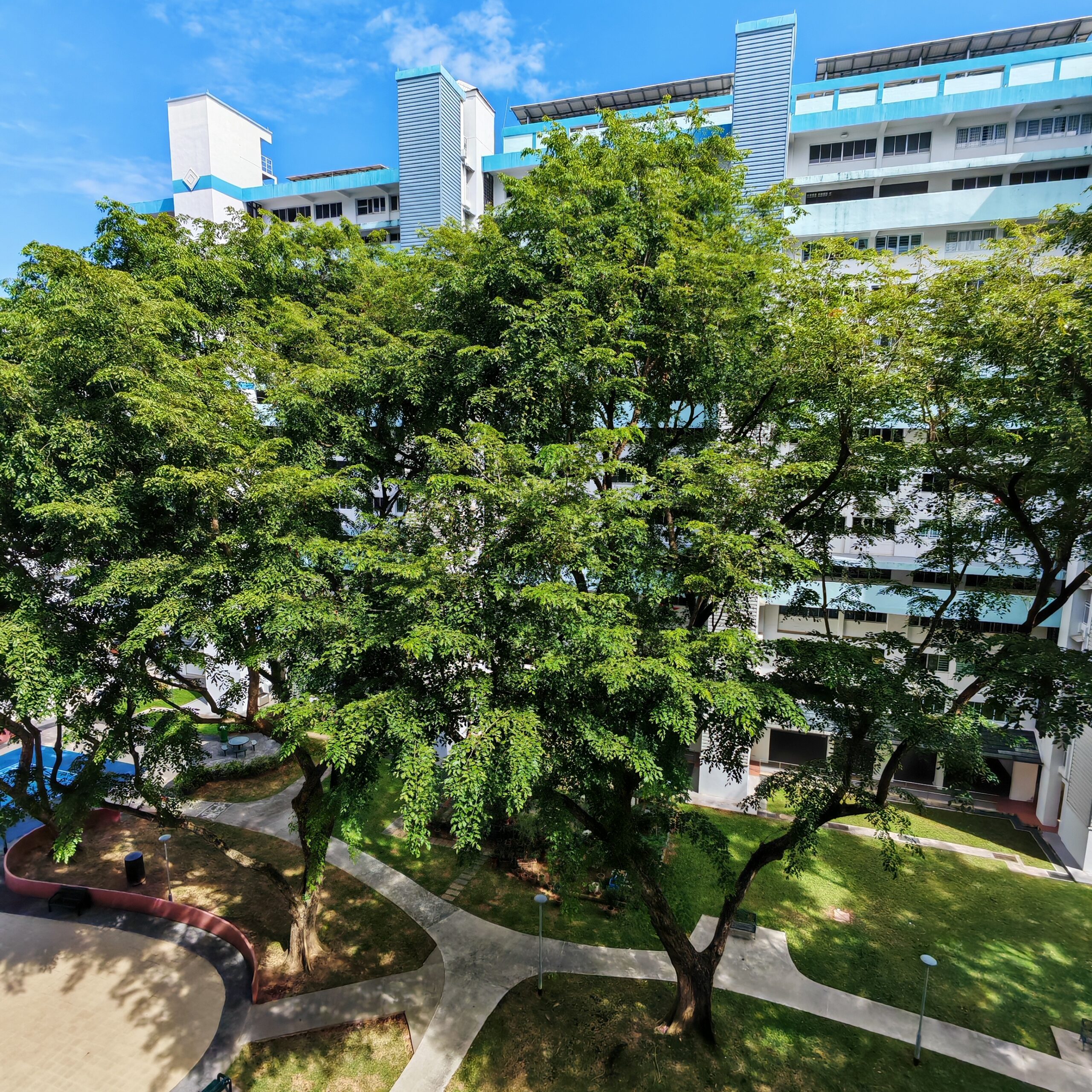
At Gemstory, and now through GenWell, this idea took shape through Ah Mu, our tree mascot. Ah Mu represents staying grounded even under pressure – a simple, memorable way of communicating a genuinely useful idea: resilience isn’t about avoiding difficulty, it’s about having a stable structure to return to when things get difficult.
This is particularly relevant for teams navigating organisational change, restructuring, or sustained periods of high pressure – the moments when resilience actually gets tested, not the calm ones.
Three Lessons for Building Team Resilience
The Tree of Life symbolism maps directly onto how GenWell structures resilience-building in a corporate session:
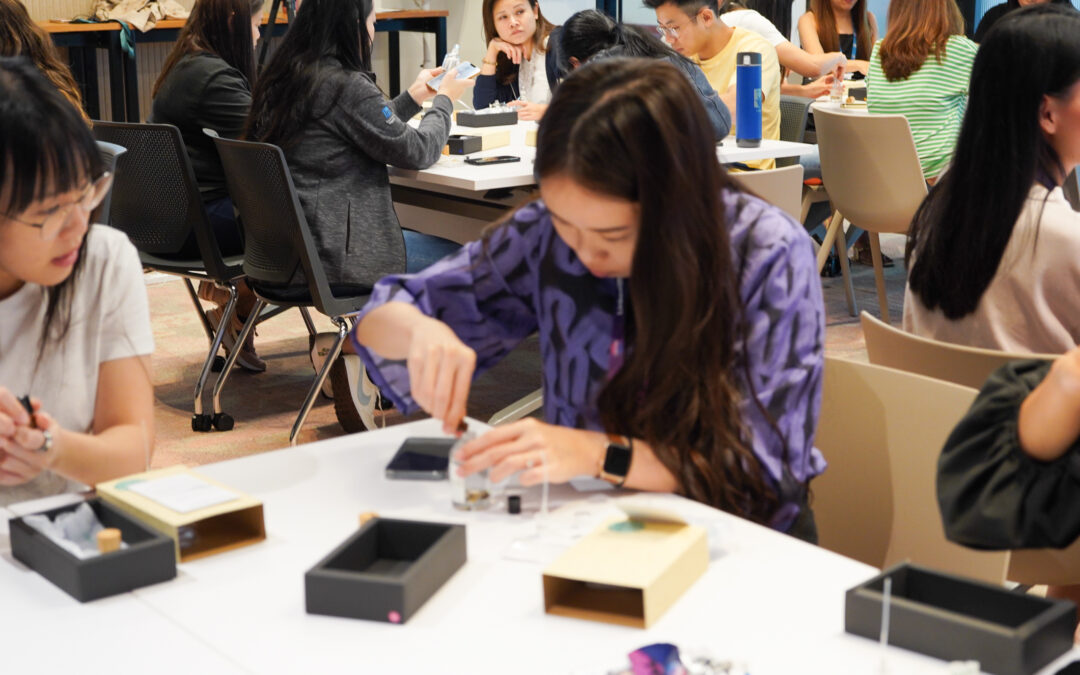
1. Roots – Grounding. Just as a tree’s stability comes from what’s underground, not visible from the surface, team resilience starts with a structured way to reset attention and reduce overstimulation. This is the role the Sensory Reset Framework plays – engaging Sight, Touch, Smell, Sound, Speech, and Intuition to give a team a genuine, repeatable point of stability before anything else can happen.
2. Branches – Growth. A tree doesn’t grow by resisting change — it grows by responding to it. In a team setting, this is the Awareness and Balance steps of the ReAlign™ Framework: naming what’s actually driving pressure, then finding a workable adjustment, rather than pushing through unchanged.
3. Circle – Wholeness. The circle around the Tree of Life represents cohesion — the sense that individual growth and team structure aren’t separate things. This is where the Action step of ReAlign™ comes in: turning individual awareness into something the whole team commits to together.
Scoping research on organisational resilience coaching similarly finds that structured, skills-based approaches – not one-off motivational content – are what actually build resilience capacity in a workplace setting. (Source: Organisational coaching to improve workplace resilience: a scoping review.)
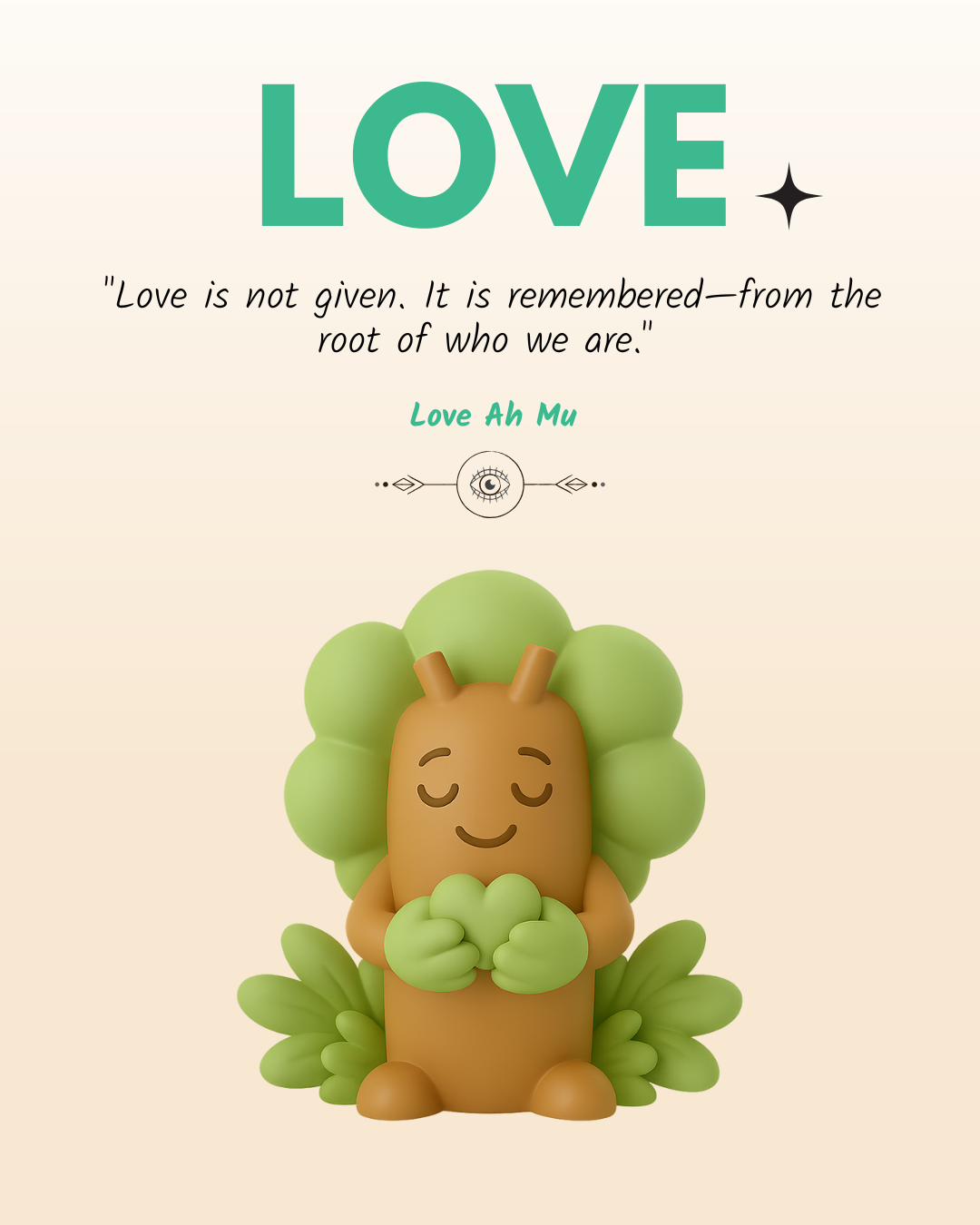
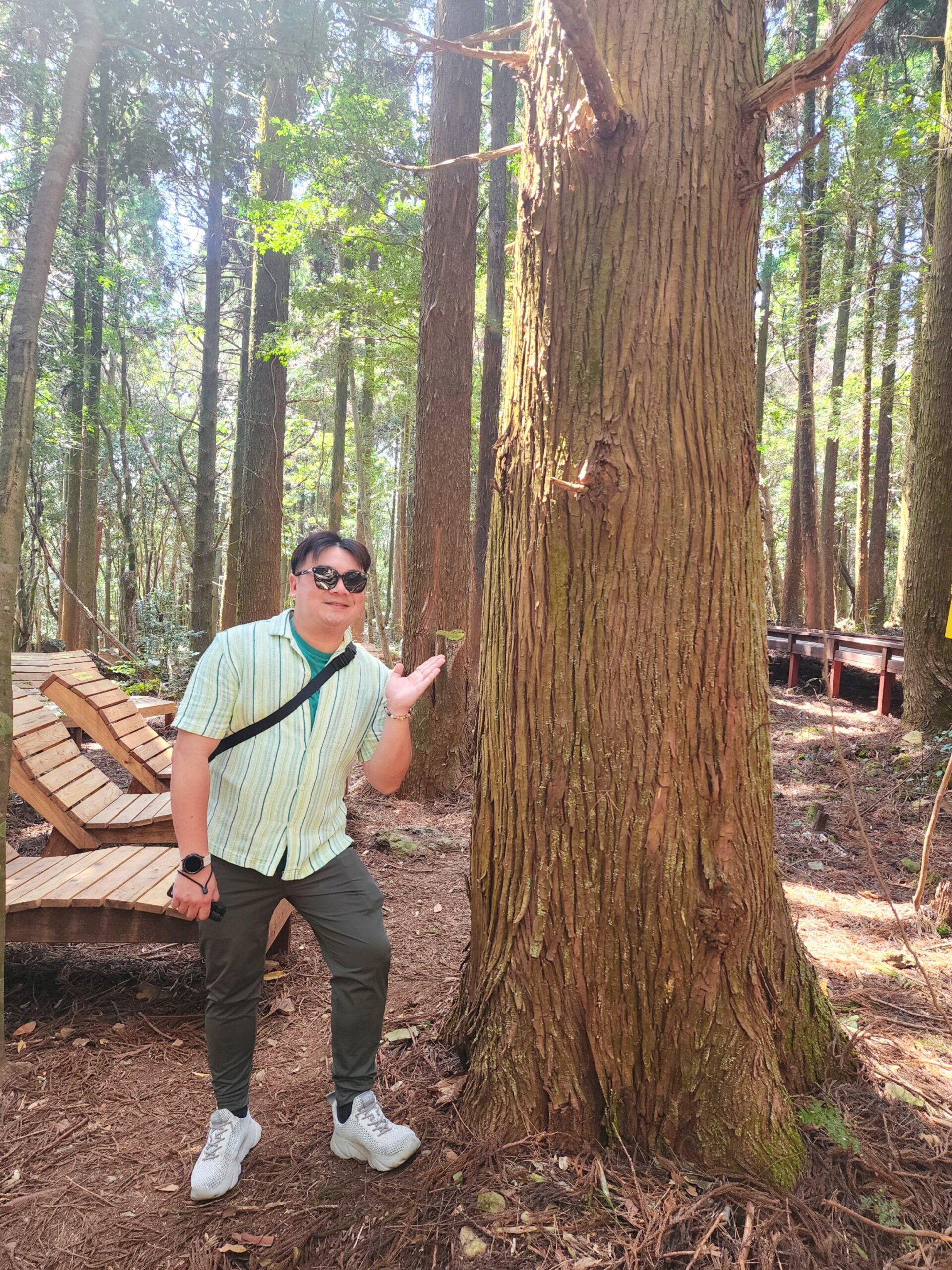
My Two Favourite Trees outside my kitchen windows
Closer to home, I find inspiration every day in two beautiful trees that stand right in front of my block. They’ve quietly watched over the neighborhood for years, greeting me each morning and welcoming me home at night. Over time, they’ve become more than just trees to me; they’ve become companions in my journey, reminding me to pause, breathe, and realign.
They are now part of my daily gratitude and thanksgiving practice. Each time I connect with them, I offer a quiet moment of appreciation – a small manifestation ritual that grounds me in the present and reminds me of the abundance around me.
Whenever life feels overwhelming, I look to these trees. Their branches sway gently with the wind, their roots hidden but strong, and their presence reminds me that balance doesn’t come from doing more. It comes from standing still, returning to our inner self, and reconnecting with what truly matters.
What This Looks Like in a Session
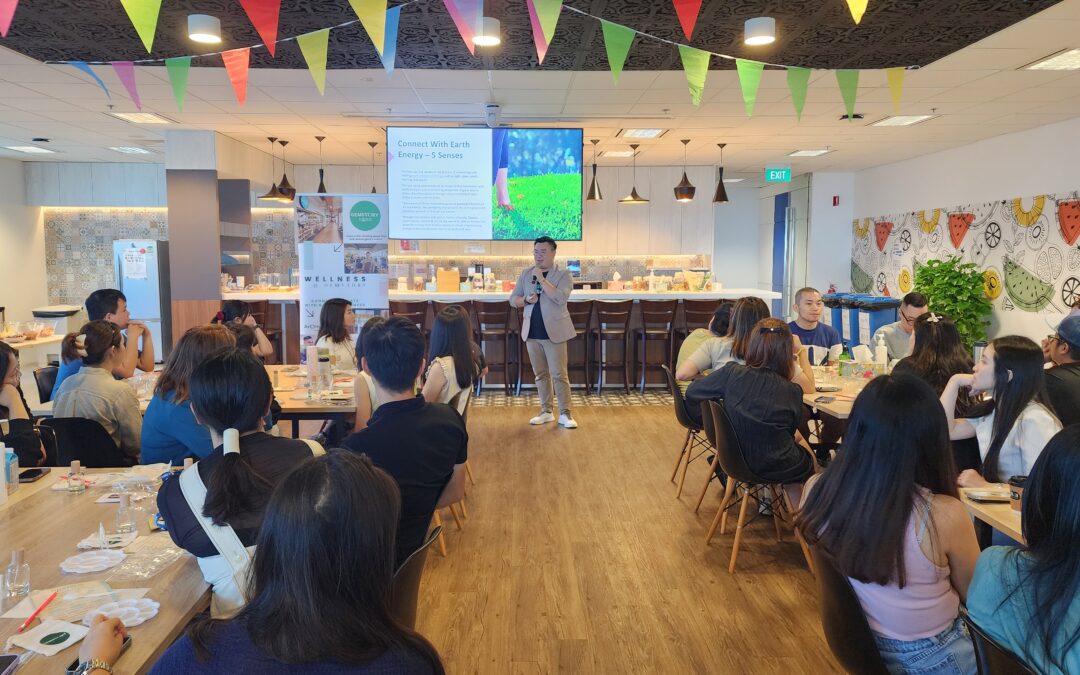
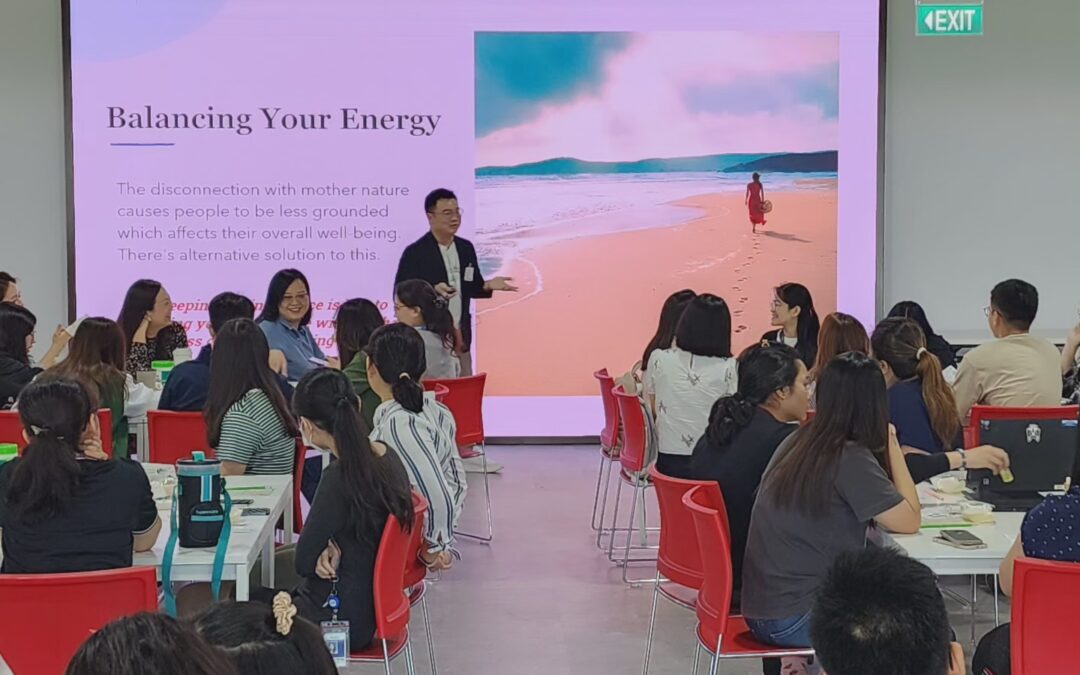
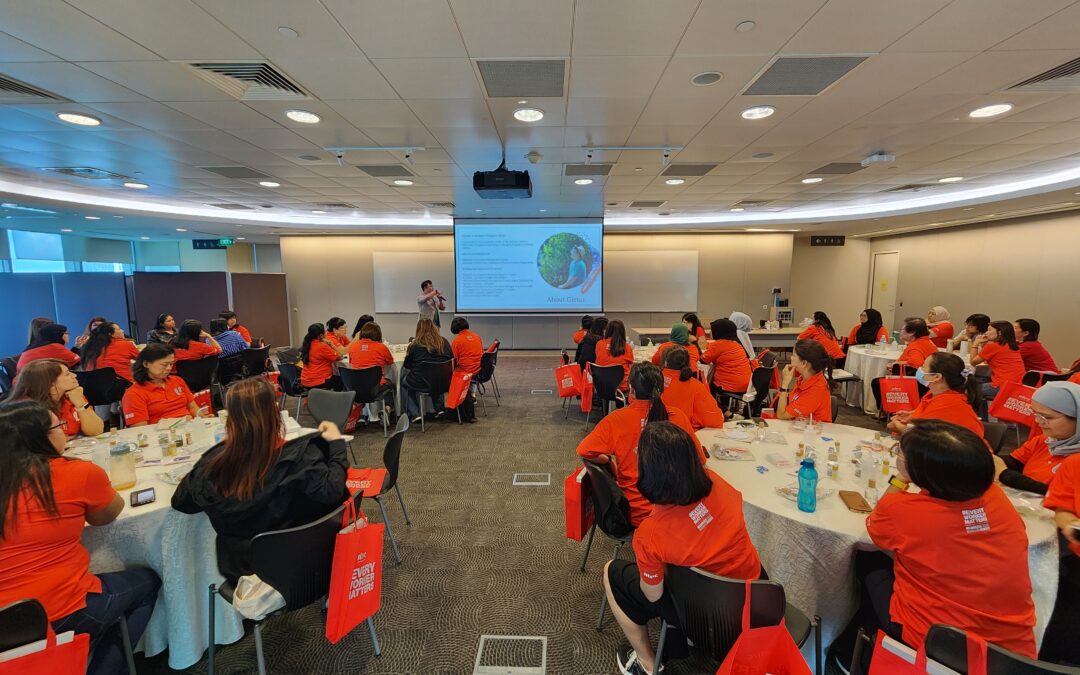
This isn’t abstract symbolism – it directly shapes how GenWell sessions are designed. A session might open with a grounding sensory activity (the “roots”), move through a guided reflection on a specific source of pressure (the “branches”), and close with a shared team commitment (the “circle”) – the same three-part structure the logo represents, made practical and repeatable.
Closing Reflection
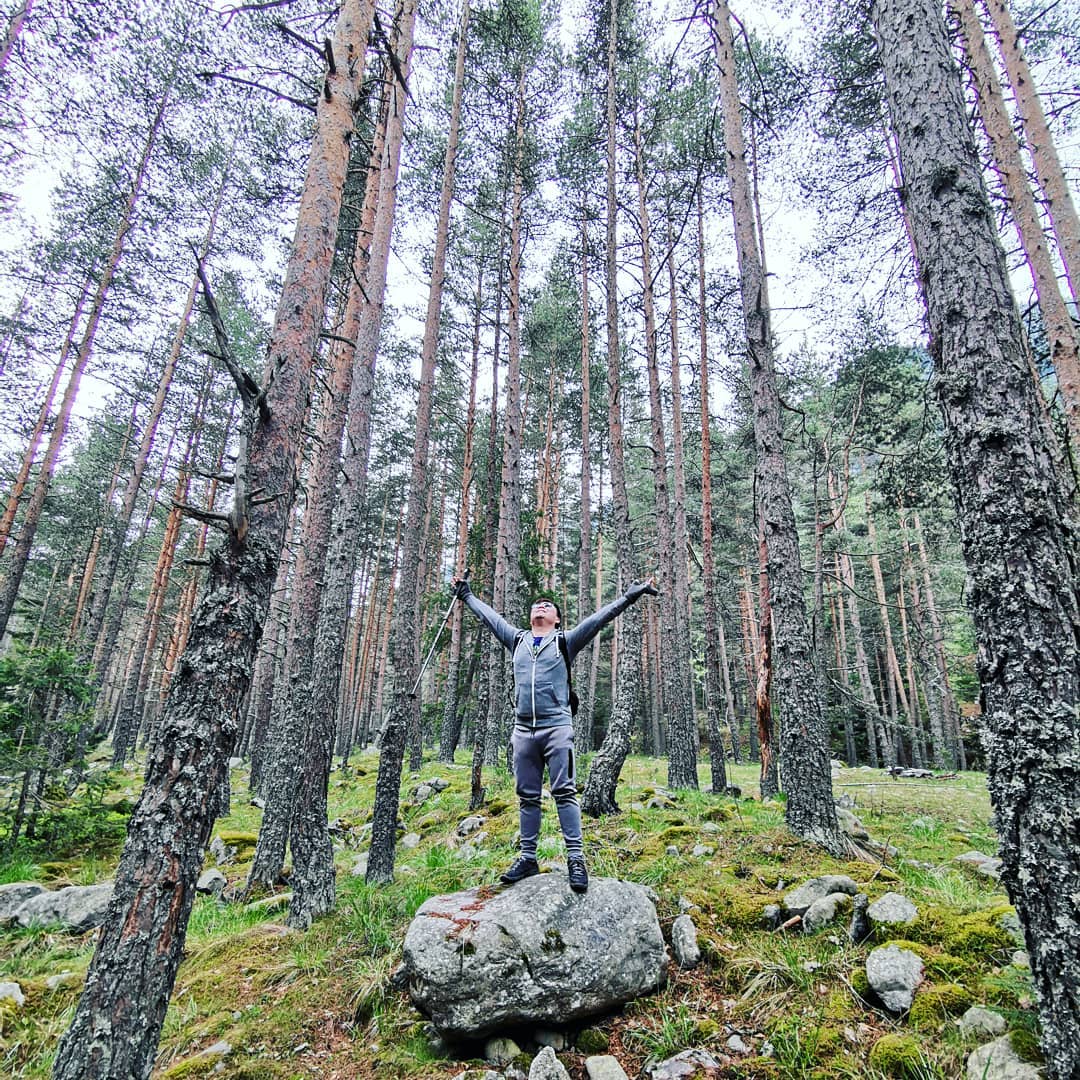
Resilience isn’t something a team either has or doesn’t have – it’s something that can be structured and built deliberately, the same way a tree’s strength comes from a stable root system, not from resisting every storm. That’s the thinking behind GenWell’s Tree of Life, and it’s the same thinking behind every session we run.
If your organisation is exploring what a structured approach to team resilience could look like, GenWell would be glad to walk that conversation with you.
FAQ SECTION
What does GenWell's Tree of Life logo represent?
The roots represent grounding, the branches represent growth, and the surrounding circle represents wholeness and team cohesion — the same structure GenWell’s corporate sessions are built around.
Who is Ah Mu?
Ah Mu is GenWell’s tree mascot, representing resilience – the idea of staying grounded under pressure rather than avoiding difficulty altogether.
How does this connect to GenWell's corporate wellness frameworks?
The Tree of Life’s three elements map directly onto GenWell’s frameworks: roots to the Sensory Reset Framework’s grounding function, branches to the ReAlign™ Framework’s Awareness and Balance steps, and the circle to its Action step.
Can workplace resilience actually be trained, or is it just individual toughness?
Research on workplace resilience indicates it’s a structural capacity that individuals and organisations can build deliberately, not just an individual trait — which is why GenWell’s approach is built on repeatable frameworks rather than one-off motivational content.



0 Comments